
The Sea Caves of the Algarve: Natural Wonders Shaped by the Atlantic
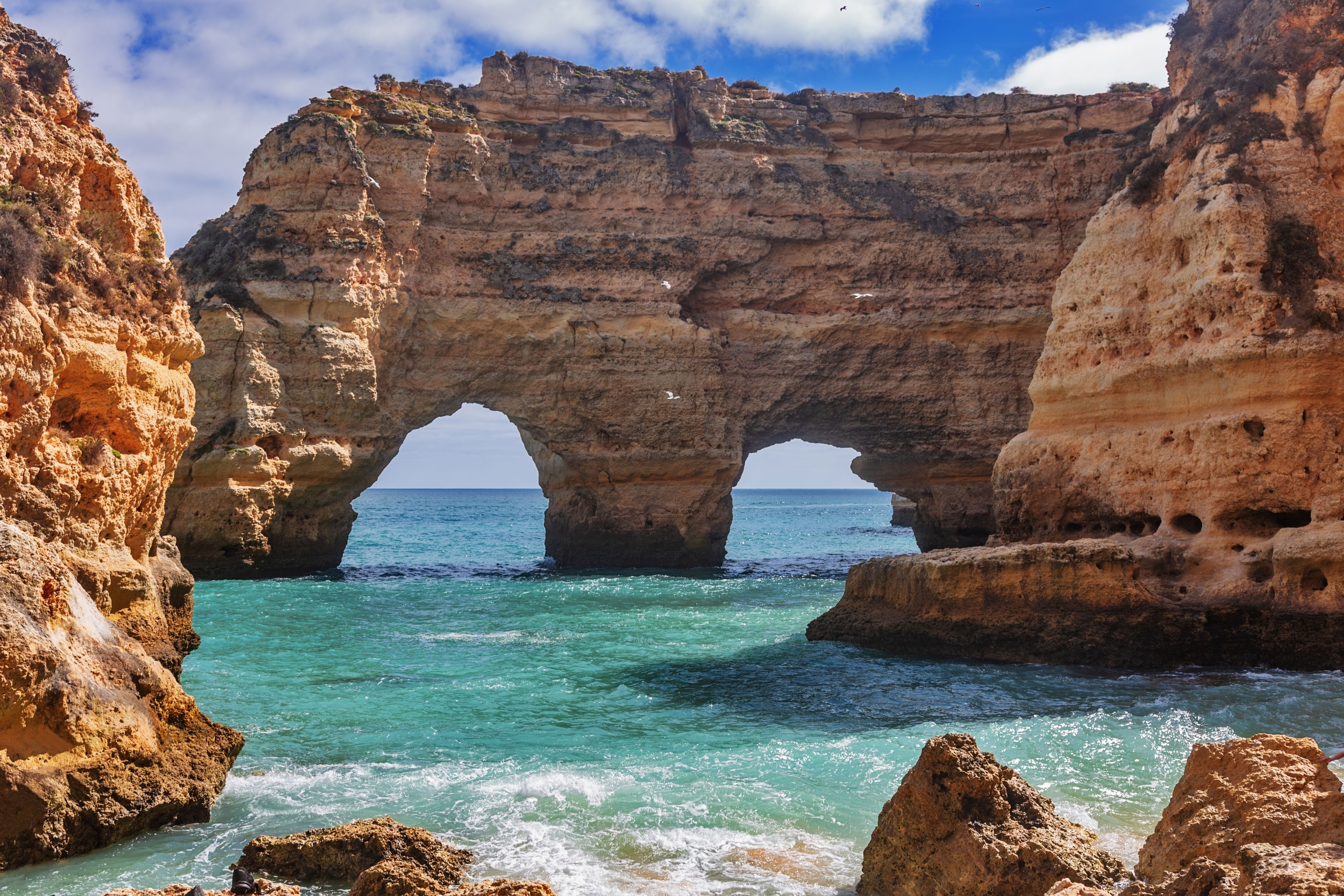
The Algarve coastline is renowned for its remarkable sea caves, which have become one of the region’s most iconic natural attractions. Carved into golden limestone cliffs by thousands of years of Atlantic waves, these formations create a dramatic and ever-changing coastal landscape.
Stretching across southern Portugal, the Algarve coast features dozens of caves, grottoes, rock arches, and hidden chambers that can only be fully appreciated from the sea.
For visitors exploring the region by boat, these caves reveal a fascinating world of natural architecture — where sunlight reflects off golden rock walls, turquoise waters flow through narrow passages, and towering cliffs rise above secluded coves.
Exploring the Algarve’s sea caves by boat allows visitors to admire their dramatic shapes and discover hidden spaces that cannot be accessed from land.
What Makes the Algarve Sea Caves So Famous?
The sea caves of the Algarve are the result of thousands of years of erosion caused by Atlantic waves and tides.
The region’s limestone cliffs are gradually sculpted by wind and water, creating a unique coastline filled with arches, tunnels, grottos, and natural chambers.
Over time, sections of rock collapse or are hollowed out by the sea, forming caves that vary greatly in size and shape. Some are small openings hidden within the cliffs, while others form enormous chambers large enough for boats to enter.
This natural process has created one of the most visually striking coastlines in Europe, attracting visitors from around the world who come to admire these remarkable formations.Among the many caves along the coast, a few have become particularly famous.
Benagil Cave
The most famous cave in the Algarve is undoubtedly Benagil Cave, one of the most photographed natural landmarks in Portugal.
Located near the small fishing village of Benagil between Albufeira and Carvoeiro, this enormous sea cave is instantly recognisable thanks to its large circular opening in the ceiling.
This natural skylight allows sunlight to flood the interior of the cave, creating a dramatic effect where the golden rock walls and sandy beach inside are illuminated by beams of light from above.
The cave’s interior forms a large dome-shaped chamber, making it one of the most impressive geological formations along the Algarve coastline.
From the sea, visitors can appreciate the full scale of this remarkable natural structure while also exploring the surrounding cliffs and smaller grottoes nearby.
Because access from land is limited, approaching Benagil Cave by boat remains one of the best ways to experience its beauty.
The Caves of Albufeira
The coastline surrounding Albufeira is home to numerous smaller caves and grottoes that form a fascinating network of rock formations.
Stretching west from Albufeira towards Armação de Pêra and Benagil, the cliffs along this section of coast are filled with narrow openings, rock tunnels, and natural arches.
While these caves may be smaller than Benagil, they offer a remarkable variety of shapes and textures created by centuries of erosion.
Boat tours and yacht charters often cruise slowly along this stretch of coastline, allowing visitors to observe the intricate patterns carved into the limestone cliffs.
From the water, it is possible to see how the caves connect with one another, forming a complex and beautiful coastal landscape.
The Grottos of Lagos and Ponta da Piedade
Further west, near the historic town of Lagos, another spectacular collection of sea caves can be found at Ponta da Piedade.
This area is famous for its dramatic rock formations rising from the sea, including tall pillars, arches, and narrow channels carved between the cliffs.
Here, the coastline appears almost like a natural sculpture garden. Towering rock stacks stand above the water while hidden grottoes and small tunnels weave through the base of the cliffs.
The rock formations at Ponta da Piedade are particularly striking due to their shapes and colours, which glow in warm golden tones when illuminated by sunlight.
Navigating through the narrow passages between the cliffs offers a unique perspective of the Algarve’s natural beauty, making this area one of the most impressive coastal landscapes in Portugal.
Nature’s Architecture
The sea caves of the Algarve are a powerful example of nature’s ability to sculpt landscapes over time.
The combination of Atlantic waves, tides, wind, and geological composition has transformed the limestone cliffs into an extraordinary display of natural architecture.
Over thousands of years, these forces have carved arches, tunnels, pillars, and chambers into the rock, creating a coastline that feels almost like a vast outdoor gallery.
Each cave has its own character — some wide and open, others narrow and mysterious — making every section of the coastline unique.
For many visitors, sailing along this coast feels like discovering a series of hidden natural monuments shaped entirely by the power of the sea.
Why Exploring the Caves by Boat Is the Best Experience
While some caves can be viewed from the cliffs above, the best way to experience the Algarve’s sea caves is from the water.
From a boat, visitors can approach the caves closely, navigate through rock arches, and discover hidden chambers that remain invisible from land.
Cruising along the coastline also reveals the full scale of the cliffs and allows visitors to see how the caves connect with the surrounding rock formations.
Many boat trips follow scenic routes along the coast between Vilamoura, Albufeira, Benagil, and Lagos, where the greatest concentration of caves and grottos can be found.
These journeys provide a unique opportunity to witness the Algarve coastline from a completely different perspective.
One of the Algarve’s Most Unforgettable Experiences
Exploring the sea caves of the Algarve is often one of the most memorable experiences for visitors to southern Portugal.
The combination of towering cliffs, golden rock formations, turquoise waters, and hidden caves creates a landscape that feels both dramatic and peaceful at the same time.
Whether discovering the famous Benagil Cave, cruising past the grottoes near Albufeira, or navigating the rock formations of Ponta da Piedade, the Algarve coastline offers an extraordinary display of natural beauty.
For anyone visiting the region, seeing these sea caves from the water reveals one of the most spectacular sides of the Algarve’s coastline.